
What Is Reclaimed Wood? The Complete Guide to Salvaged Timber
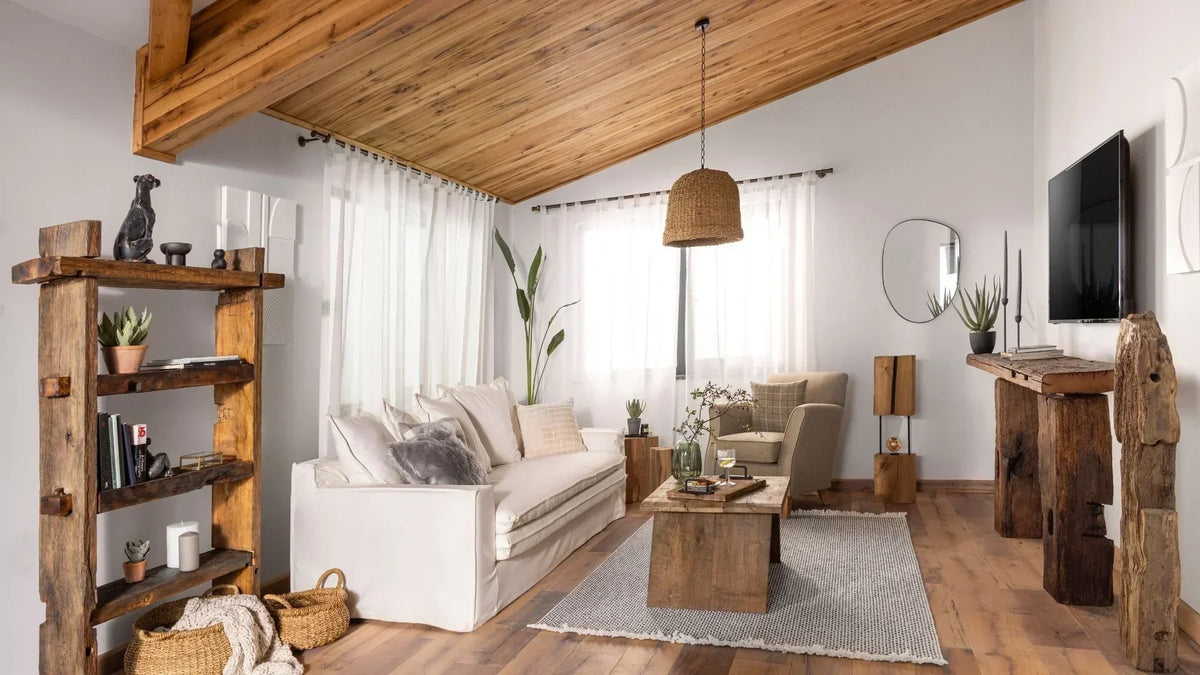
What is reclaimed wood? In simple terms, it is lumber that has already served a purpose in a building or structure and has been carefully extracted for a new life. Think of old barns, factories, warehouses, and historic homes. The timber from these structures carries decades of character that new wood simply cannot match. For homeowners across the UK, reclaimed wood offers a rare combination of beauty, strength, and genuine sustainability.

Reclaimed timber sourced from historic Anatolian structures, ready for a second life.
Where Does Reclaimed Wood Come From?
Reclaimed timber comes from structures that have reached the end of their original use. Each source brings its own grain patterns, colour variations, and surface marks. Here are the most common origins:
- Historic buildings and homes: Residential and commercial buildings built between the 1700s and early 1900s often contain old-growth oak, chestnut, and elm beams.
- Agricultural barns: Old barns provide naturally weathered planks with deep patina. This wood is commonly known as "barn wood."
- Factories and mills: Industrial structures yield massive structural timbers. These beams are prized for their scale and density.
- Railway sleepers: Rail ties offer bold industrial character. However, they require careful testing for chemical treatments before indoor use.
At Woody Workz, we source our timber from historic Anatolian buildings. Many of these structures are over 100 years old. As a result, our oak, chestnut, and elm carry a depth of character that modern timber cannot replicate.

Reclaimed Wood vs Recycled Wood vs Salvaged Wood
These three terms are often confused. However, they describe quite different materials. Understanding the distinction helps you make better purchasing decisions.
Reclaimed wood has served a structural or commercial purpose in a building. It carries physical marks from that life: nail holes, oxide stains, and natural weathering. True reclaimed wood is post-consumer material with a documented history.
Salvaged wood is newly harvested timber obtained as a byproduct of another process. For instance, trees removed during urban development or old orchard trees that no longer produce fruit. Because salvaged wood has never been used in construction, it lacks the character marks that define genuine reclaimed timber.
Recycled wood is a broader term. It can include shipping pallets, pre-consumer factory offcuts, and other non-structural materials. Not all recycled wood has the age, density, or aesthetic appeal of properly reclaimed timber.
Why Is Reclaimed Wood Stronger Than New Timber?
One of the most compelling answers to "what is reclaimed wood" lies in its structural qualities. Most reclaimed timber comes from old-growth trees. These trees grew slowly over centuries, producing a tight, dense grain pattern. In contrast, modern plantation trees grow rapidly. Their grain is wider, softer, and less stable.
This density difference is measurable. Reclaimed old-growth timber scores up to 40 points higher on the Janka hardness scale than first-generation virgin wood. Furthermore, because reclaimed wood has spent decades naturally seasoning inside a building, it has a far lower moisture content than freshly cut timber. This makes it highly stable and far less likely to warp or cup over time.

Tight old-growth grain visible on a Woody Workz Solstice Bookcase shelf.
The Environmental Benefits of Reclaimed Wood
Choosing reclaimed wood over new timber delivers significant environmental benefits. Research from the USDA Forest Products Laboratory, presented to the United Nations Economic Commission for Europe, provides clear figures.
Manufacturing new framing lumber requires roughly 11 times more energy than reclaiming the same volume from a deconstructed building. For wood flooring, the energy gap widens further. New flooring production uses approximately 13 times more energy than reclamation.
The carbon savings are equally striking. New virgin framing lumber produces 310% more fossil CO2 than reclaimed framing. For flooring, new production emits 470% more fossil CO2. Because reclaimed wood continues to store the carbon the tree absorbed during its lifetime, it is often considered carbon-neutral or even carbon-negative.
In the UK, these benefits align with growing consumer demand. According to recent market analysis, 55% of UK consumers now buy more sustainable home products than before. Additionally, 90% of millennials are willing to pay a premium for sustainable goods. The UK sustainable furniture market alone is valued at over £5.5 billion and is growing at more than 5% annually.
What Makes Reclaimed Wood Beautiful?
Beyond strength and sustainability, reclaimed wood is simply stunning to look at. Its aesthetic cannot be faked or artificially produced. Here is what gives it that distinctive character:
- Patina: A soft, lustrous finish that develops over decades of use and exposure. Oak, for example, gains a warm golden tone as it ages.
- Natural weathering: Years of sun, rain, and temperature changes create colour shifts ranging from silver-grey to deep cinnamon.
- Character marks: Nail holes, bolt holes, oxide stains, and original saw marks tell the story of the wood’s previous life.
- Grain density: The tight grain of old-growth timber creates a refined, rich surface that modern wood cannot match.
- Colour variation: No two boards are alike. Tones shift naturally across a single piece, creating depth and visual warmth.
At Woody Workz, we preserve these original surfaces rather than sanding them smooth. Every scar, every filled crack, and every tonal shift is part of the story. Our reclaimed wood dining tables and Coffee & Side Tables showcase this character in every piece.
How Is Reclaimed Wood Prepared for Furniture?
Turning old building timber into fine furniture requires careful, multi-stage processing. Each step preserves the wood’s character while ensuring it is safe and stable for indoor use.
- Sourcing and dismantling: Buildings undergo selective deconstruction. Timber is carefully extracted board by board, preserving as much surface character as possible.
- Denailing and metal detection: Old nails and fasteners are removed by hand or pneumatic tool. Hidden metal is detected to protect milling machinery.
- Cleaning and grading: Boards are cleaned, inspected for rot or structural weakness, and graded for quality.
- Kiln drying: The wood is kiln-dried to eliminate pests and bacteria. This also brings moisture content to a stable, consistent level.
- Milling: Boards are squared, flattened on a jointer, and planed to uniform thickness. Multiple passes ensure precision without removing too much character.
- Finishing: Oils, hard-wax oils, or varnishes protect the surface while allowing the natural patina and colour to show through.
Safety is paramount throughout. Professional suppliers test for volatile organic compounds, lead paint (on wood sourced before 1978), and biological hazards. Certifications such as FSC Recycled, Rainforest Alliance, and GREENGUARD Gold verify both sustainability and safety.
Reclaimed Wood in UK Homes: A Growing Trend
The UK furniture market reached £21.9 billion in 2024. Within this, wood furniture commands a dominant 56% share. Consumer preferences are shifting clearly toward quality over price. Spending on sub-£500 furniture dropped 17.3% between January 2024 and February 2025, while premium segments grew steadily.
For those asking "what is reclaimed wood" and whether it belongs in their home, the answer is increasingly clear. Reclaimed timber fits the UK market’s direction: sustainable, premium, and rich with story. Whether specified by interior designers for high-end projects or chosen by homeowners seeking something truly unique, reclaimed wood continues to gain ground.
Browse our full collection of reclaimed wood lighting, bookcases, and wall mirrors to see what reclaimed timber can become.
Frequently Asked Questions About Reclaimed Wood
Is reclaimed wood safe for indoor use?
Yes, when purchased from a professional supplier. Reputable suppliers kiln-dry the wood to kill pests and bacteria. They also test for lead paint, chemical treatments, and volatile organic compounds. Always buy from certified sources to ensure your reclaimed wood is safe for your home.
How long does reclaimed wood furniture last?
With proper care, reclaimed wood furniture can last another lifetime. Old-growth timber is denser and up to 40 points harder on the Janka scale than modern wood. Its low moisture content from decades of natural seasoning also makes it highly stable and resistant to warping.
Is reclaimed wood more expensive than new timber?
Reclaimed wood can cost more due to the labour involved in sourcing, denailing, cleaning, and processing. However, its superior durability, unique character, and sustainability credentials often make it better value over the long term. Recent rises in new lumber prices have also narrowed the cost gap.
What is the difference between reclaimed and distressed wood?
Reclaimed wood has genuinely served a prior structural purpose and weathered naturally over decades. Distressed (or faux reclaimed) wood is newly harvested timber that has been artificially aged to look old. Faux options lack the history, density, and environmental benefits of true reclaimed timber.
Does reclaimed wood come with certifications?
Yes. Look for FSC Recycled certification, Rainforest Alliance, or Sustainable Forestry Initiative labels. For indoor air quality, GREENGUARD and GREENGUARD Gold certifications confirm that the wood meets strict low-emission health standards.
How do you care for reclaimed wood furniture?
Regular dusting with a soft cloth or brush attachment is usually sufficient. For deeper cleaning, use a damp cloth with a pH-neutral cleaner. Avoid harsh chemicals. If your piece is in a high-humidity area, ensure it has a protective sealant to prevent moisture absorption.