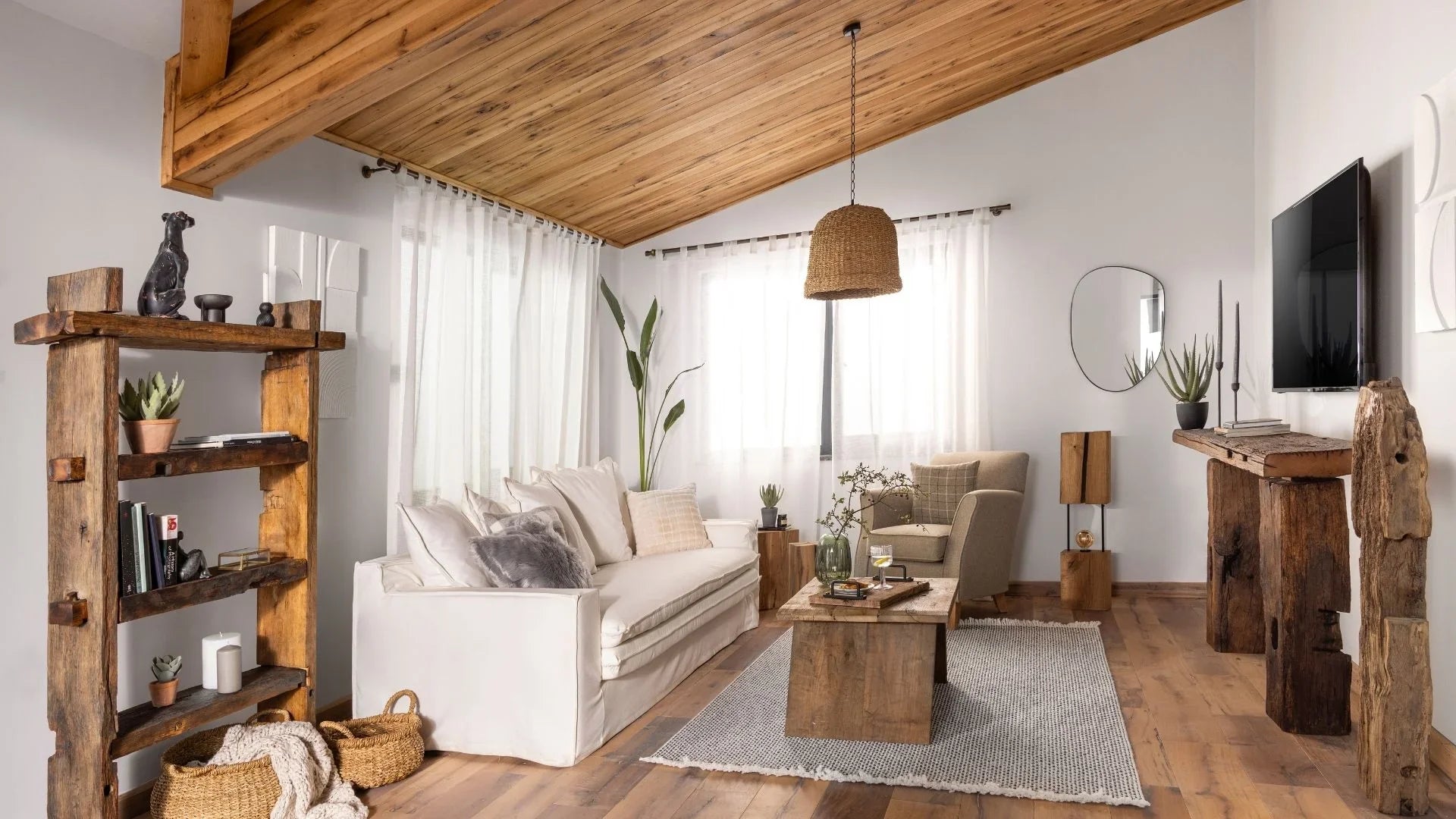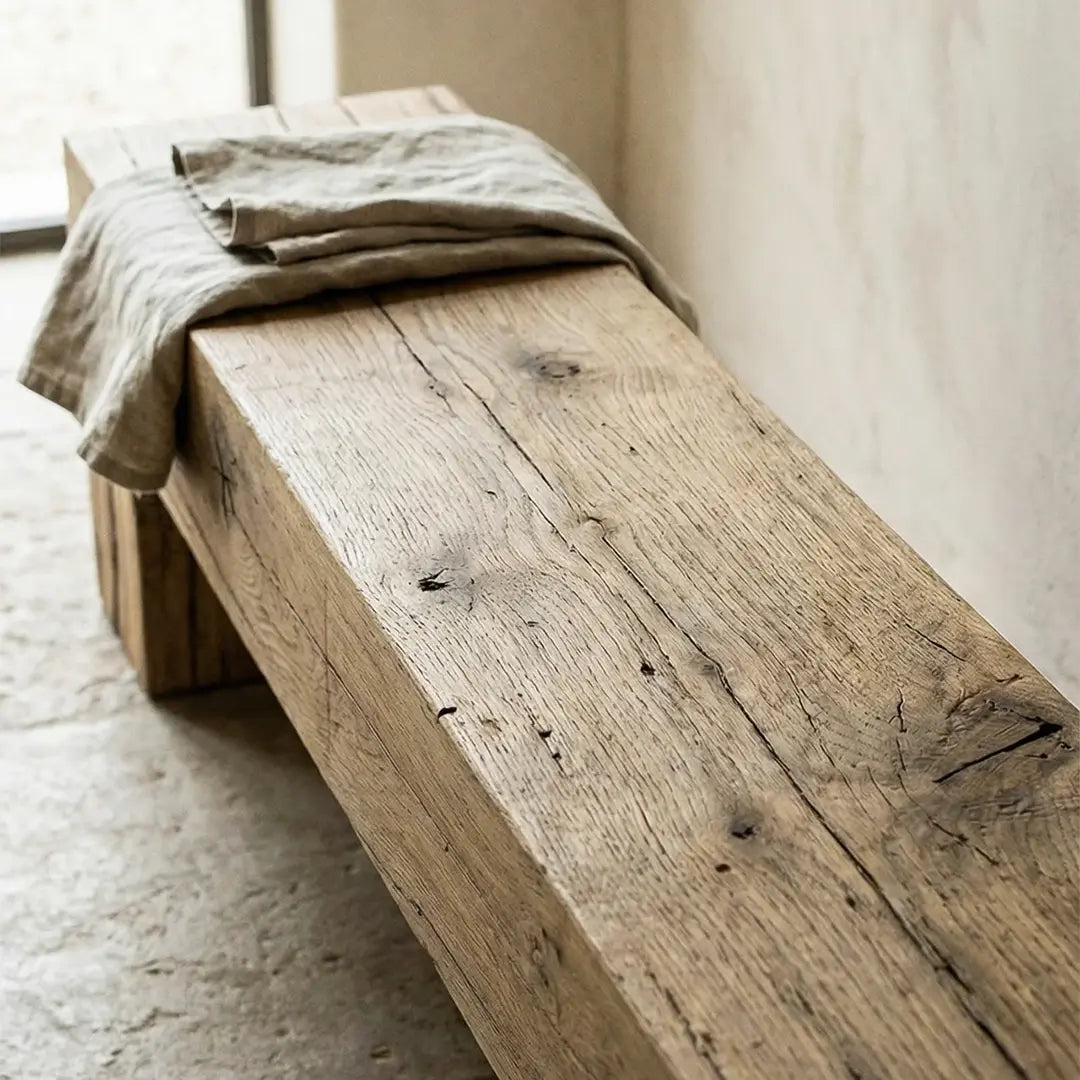
Not all reclaimed wood is the same. The label covers everything from dense old hardwood beams to soft structural timber, yet the single most useful question is the one many listings leave unanswered: which species is it? The answer changes the weight, the hardness, the way the piece ages and how long it lasts. This guide explains the difference between reclaimed hardwood and softwood, why the species is so often left out, and how to tell what you are really buying.
Hardwood and Softwood Are Not the Same Thing
Both hardwood and softwood can be reclaimed, and both are sold under the same reclaimed wood heading, but they behave very differently in a finished piece. Hardwoods such as oak and chestnut come from slow-growing broadleaf trees. Softwoods such as pine come from faster-growing conifers. The practical differences matter:
- Density and hardness: Reclaimed oak and chestnut are far denser than softwood, so they resist dents and daily wear much better.
- Weight: A hardwood piece is noticeably heavier in the hand. Softwood feels light by comparison.
- How it ages: Hardwood holds its surface and deepens in tone over years. Softwood marks and compresses more easily.
- Longevity: For a dining table, a worktop or a floor that takes daily use, a hardwood will outlast a softwood by a wide margin.
None of this makes softwood worthless, and it has its place. But if you are paying for a piece meant to last for generations, the species is the first thing worth checking.

Why the Species Is Often Left Out
A large share of the chunky rustic reclaimed furniture on the market is made from reclaimed softwood, often old structural beams pulled from buildings. Softwood is paler and softer, so it is frequently stained to a range of colours to even out the tone and give a uniform look. Many listings describe a piece only as reclaimed wood, with no species named, which makes it hard to compare one maker against another.
One quick signal is the colour choice. If a piece is offered in a long list of stain colours, it is often softwood being toned to hide the timber underneath. Genuine reclaimed oak and chestnut are usually shown much closer to their natural state, because the character of the wood is the point.
Reclaimed Oak: The Hardwood Benchmark
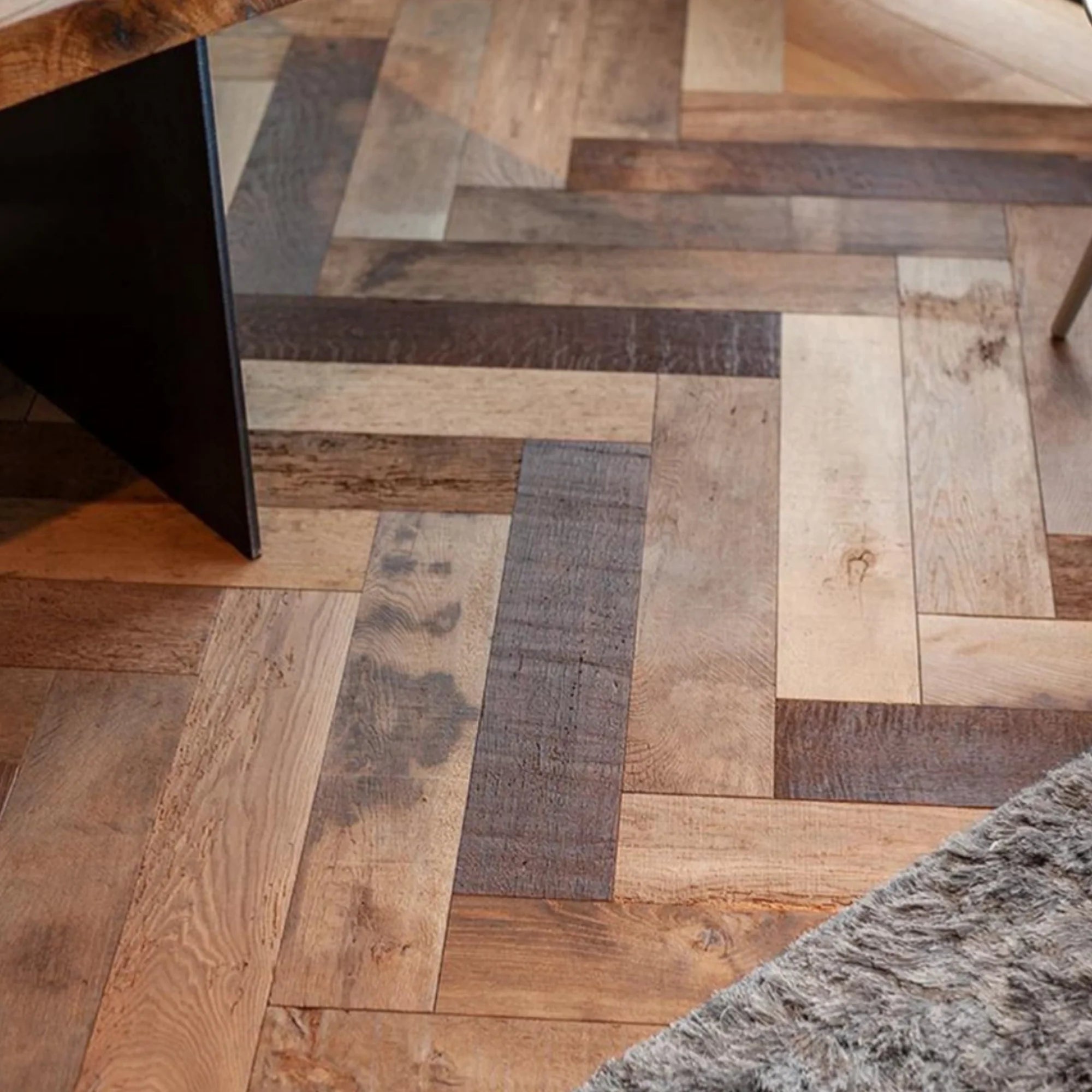
Oak is the hardwood most people picture when they think of solid, lasting furniture. Reclaimed oak is dense, neutral in tone and suits almost any scheme, from contemporary to period. It is the dependable choice for floors, worktops and pieces that see daily use. For a closer comparison of the two timbers we work with, see our guide to oak versus chestnut.
Reclaimed Chestnut: Warmth With Strength
Chestnut is the warmer of the two, with reddish-brown tones and a slightly more open grain. It is a little lighter than oak but still a genuine hardwood with real strength and stability. Chestnut suits rooms where colour and character lead the brief. Both species carry a depth that softwood cannot match.
How to Tell What You Are Buying
A few simple checks will tell you whether a reclaimed piece is hardwood or softwood:
- Ask the species outright. If the answer is vague, such as reclaimed wood or mixed timber, treat it as a softwood signal.
- Look for a stated species on the page. A maker confident in the material will name it.
- Feel the weight. Hardwood is noticeably heavier and denser than softwood of the same size.
- Be cautious of long colour menus. Many stain options often point to softwood being toned.
- Order a sample. Seeing and handling the timber in your own light removes the guesswork.
- Check certification. FSC and PEFC certification confirms responsible, documented sourcing.
What Woody Workz Does Differently
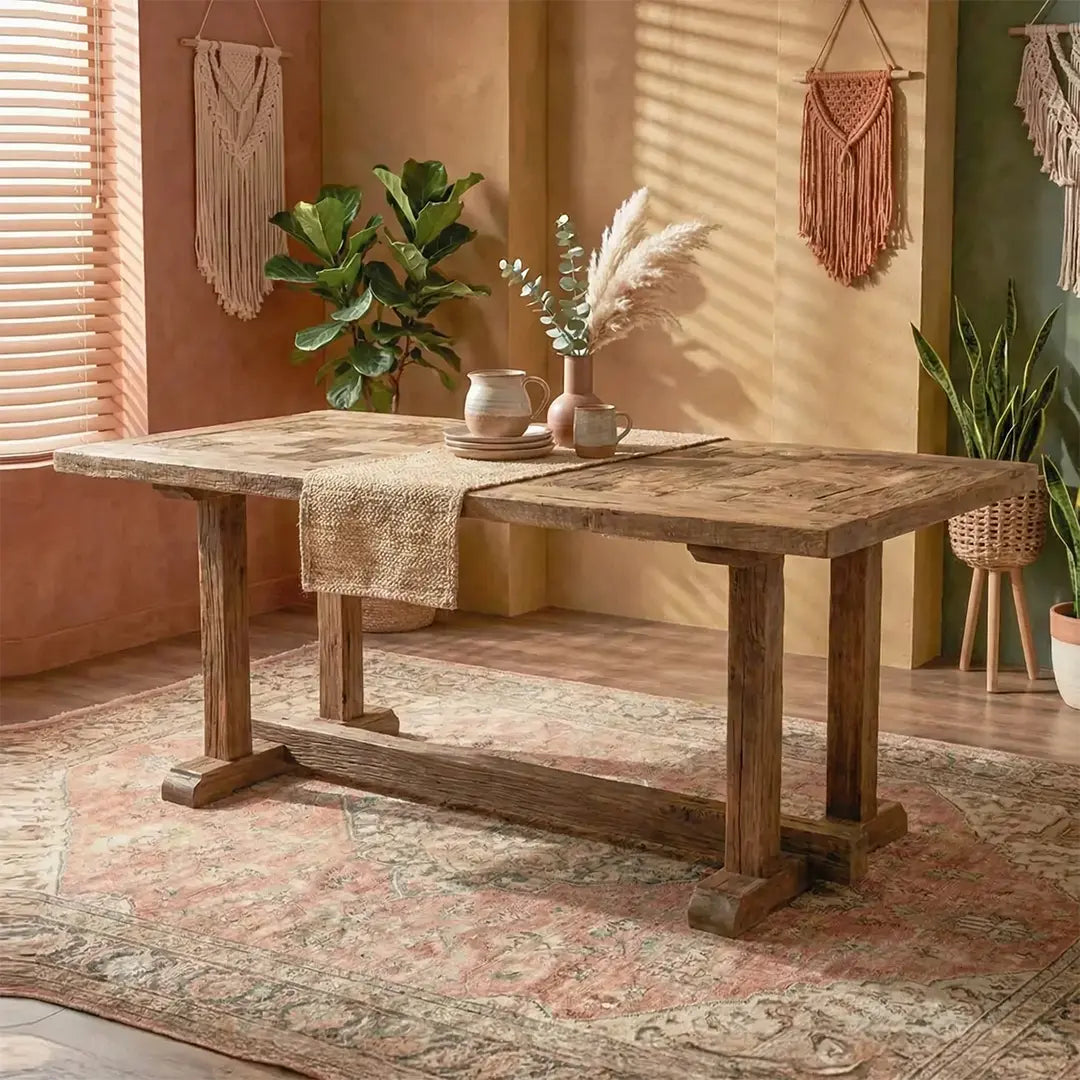
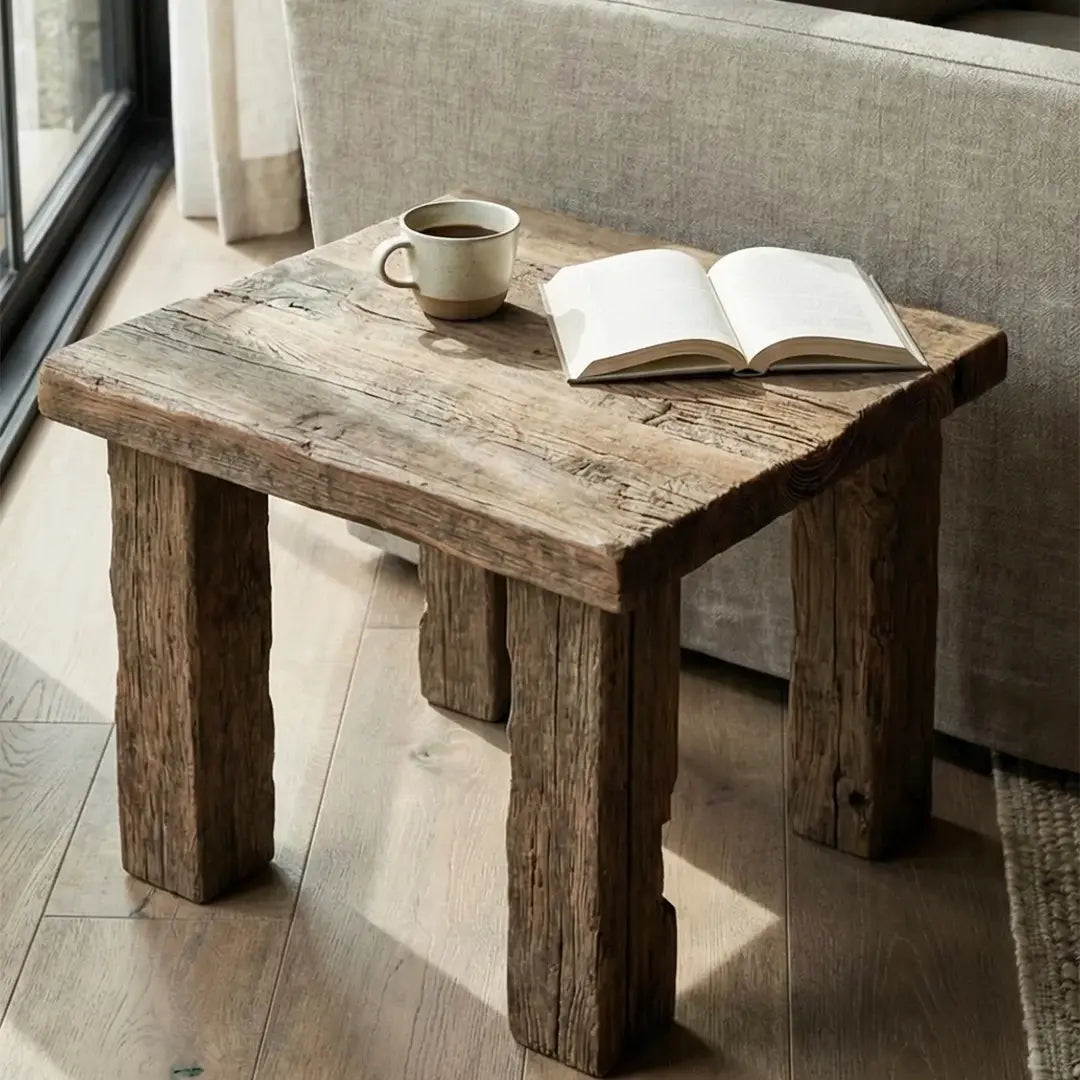
We tell you exactly what you are buying. Every piece is made from reclaimed oak and chestnut, both hardwoods, salvaged from historic buildings across Anatolia and the Balkans. We never use softwood, and we never hide the species behind a label. The original weathered surface is preserved rather than sanded back, so the grain, the tone and the marks of a long first life stay visible. Everything is made to order in our own workshop, FSC and PEFC certified.
See the difference across our reclaimed wood furniture, flooring and table tops and worktops. If you are new to the material, our guide to what reclaimed wood is covers the basics.
Explore Reclaimed Oak and Chestnut
Every Woody Workz piece names its timber and keeps its original surface. Order a sample to feel the difference between true reclaimed hardwood and softwood, or request a bespoke quote for your project.
Shop all collections or request a bespoke quote.
Frequently Asked Questions
Is reclaimed oak better than reclaimed pine?
For furniture and floors that see daily use, yes. Oak is a hardwood and is far denser and harder than pine, which is a softwood. Oak resists dents and wear better and lasts longer, which is why it costs more.
How can I tell if reclaimed furniture is hardwood or softwood?
Ask the maker to name the species. Hardwood is heavier and denser in the hand, and is usually shown close to its natural tone. Softwood is lighter, softer and is often offered in many stain colours. Ordering a sample is the surest way to know.
Is reclaimed chestnut a hardwood?
Yes. Chestnut is a hardwood with warm reddish-brown tones. It is a little lighter than oak but still strong and stable, and it carries character that softwood cannot match.
Why do some sellers not state the wood species?
Much chunky reclaimed furniture is made from reclaimed softwood, which is cheaper and softer than hardwood. Describing a piece only as reclaimed wood avoids the comparison. A maker working in hardwood will usually name it.
Does Woody Workz use pine?
No. We work only with reclaimed oak and chestnut, both hardwoods, and we always state the species on every piece.